

 New Zealand
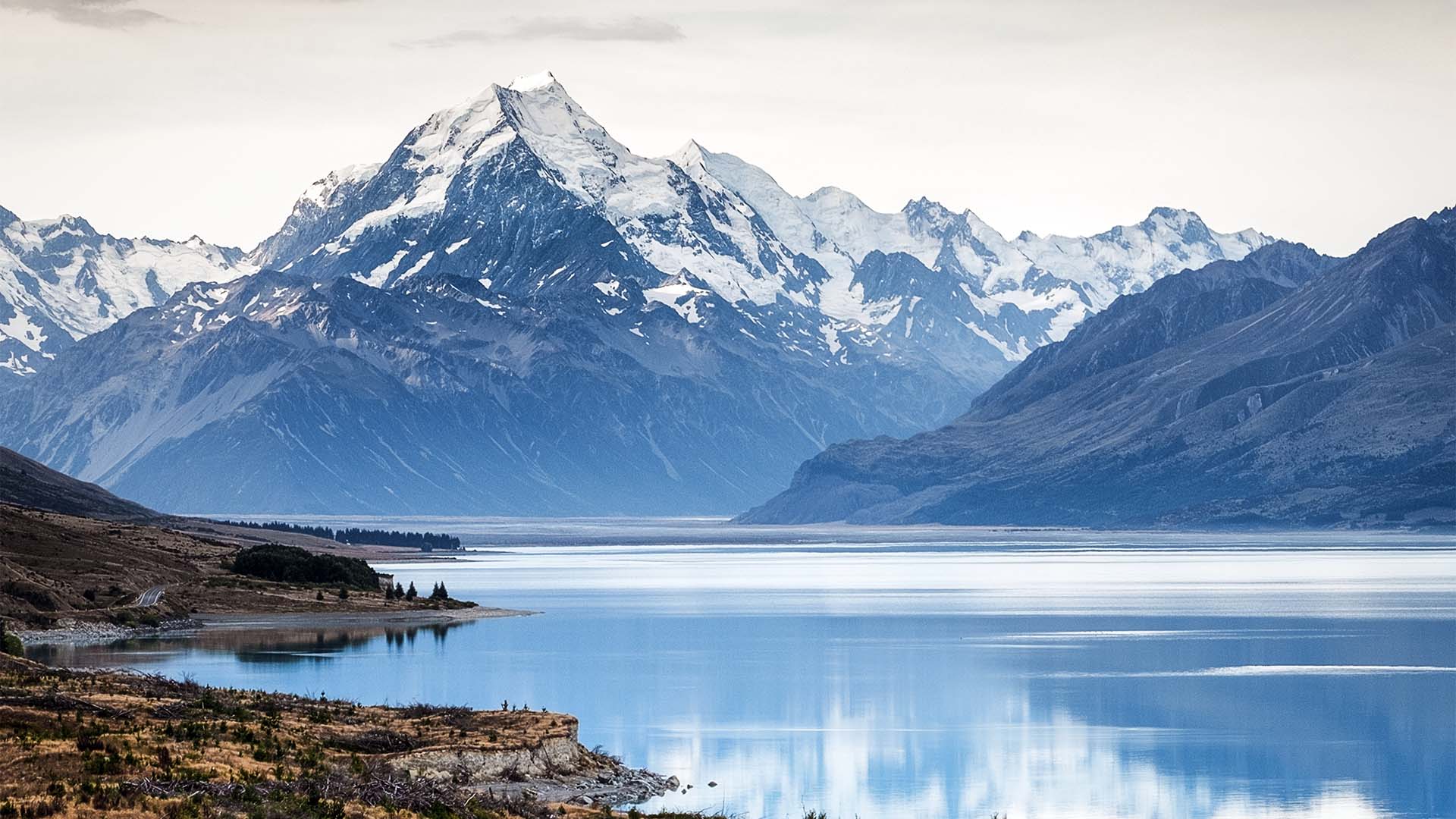
The Inspiring Mount Cook, New Zealand’s Highest Mountain
Cultural and Historical Significance of Mount Cook
Mount Cook, also known as Aoraki in the Maori language, is the highest mountain in New Zealand, standing at an impressive 3,724 meters. Located in the Southern Alps of the South Island, this majestic peak holds great cultural and historical significance to the Maori people.
For the Maori, Mount Cook is not just a physical landmark, but a spiritual one as well. It is believed to be the sacred resting place of Aoraki, the ancestor of the Ngai Tahu tribe. According to Maori legend, Aoraki and his brothers were the sons of Rakinui, the Sky Father. They were on a voyage around the world when their canoe overturned, turning them into mountains. Aoraki and his brothers became the Southern Alps, with Mount Cook being the highest peak, representing the leader of the brothers.
The Maori people have a deep connection to the land and see it as a living entity. Mount Cook, being the highest point in New Zealand, is seen as a link between the physical and spiritual worlds. It is a place of great spiritual power and is revered as a sacred site. The Maori believe that the mountain has its own mauri, or life force, and it is their responsibility to protect and preserve it.
The cultural significance of Mount Cook is also reflected in the traditional Maori naming of the mountain. Aoraki means “cloud piercer” or “cloud in the sky”, which is a fitting name for a mountain that is often shrouded in clouds. The Ngai Tahu tribe also refers to the mountain as “Te Waka o Aoraki”, meaning “the canoe of Aoraki”, further emphasizing the connection to the Maori legend.
Aside from its spiritual significance, Mount Cook also holds historical importance to the Maori people. It was a significant landmark for navigation and played a crucial role in the traditional Maori way of life. The mountain was used as a guide for travelers and a marker for seasonal changes. It was also a source of food, with the surrounding area being rich in flora and fauna.
The Maori people have a strong oral tradition, and many stories and legends are associated with Mount Cook. These stories have been passed down from generation to generation, preserving the cultural and historical significance of the mountain. The Maori also have a deep respect for the natural environment and have a strong connection to the land. Mount Cook, being a prominent feature of the landscape, holds a special place in their hearts and culture.
In recent years, the Maori people have been actively involved in the conservation and management of Mount Cook and its surrounding areas. They have worked closely with the New Zealand government to protect the mountain and its cultural significance. This collaboration has resulted in the establishment of the Aoraki/Mount Cook National Park, which is jointly managed by the Department of Conservation and the Ngai Tahu tribe.
The Maori people also continue to perform traditional ceremonies and rituals on the mountain, further cementing its cultural and historical significance. These ceremonies are a way of paying respect to their ancestors and reaffirming their connection to the land.
In conclusion, Mount Cook holds great cultural and historical significance to the Maori people. It is a sacred site, a link between the physical and spiritual worlds, and a symbol of their connection to the land. The Maori people have a deep respect for the mountain and continue to play an active role in its preservation. Mount Cook is not just a mountain, but a living entity that holds a special place in the hearts and culture of the Maori people.
Exploring the Glaciers of Mount Cook
Mount Cook, also known as Aoraki in the indigenous Maori language, is the highest mountain in New Zealand, standing tall at 3,724 meters. Located in the Southern Alps of the South Island, Mount Cook is a popular destination for adventurers and nature enthusiasts alike. One of the main attractions of this majestic mountain is its glaciers, which offer a unique and breathtaking experience for those who are willing to explore them.
The glaciers of Mount Cook are a result of the mountain’s high altitude and the cold climate of the region. These massive rivers of ice have been slowly moving and shaping the landscape for thousands of years. The most famous of these glaciers is the Tasman Glacier, which is also the longest glacier in New Zealand, stretching over 27 kilometers. Other notable glaciers include the Hooker, Mueller, and Murchison glaciers.
Exploring the glaciers of Mount Cook is an experience like no other. It requires a certain level of physical fitness and proper equipment, but the rewards are well worth the effort. One of the most popular ways to explore the glaciers is by taking a guided hike. These hikes range from short walks to full-day treks, and they offer a chance to witness the beauty of the glaciers up close. The guides are knowledgeable about the area and provide valuable information about the glaciers, their formation, and their impact on the environment.
For those looking for a more adventurous experience, there are also options for ice climbing on the glaciers. This activity requires a higher level of physical fitness and technical skills, but it allows for a more intimate and challenging encounter with the glaciers. The guides provide all the necessary equipment and safety instructions, making it a safe and thrilling experience for all.
Another popular way to explore the glaciers is by taking a scenic flight. These flights offer a bird’s eye view of the glaciers and the surrounding mountains, providing a unique perspective of the landscape. The flights also offer a chance to see the glaciers from a different angle and appreciate their vastness and beauty. Some flights even land on the glaciers, allowing for a short walk and a closer look at the ice formations.
Aside from the glaciers themselves, the surrounding area of Mount Cook also offers stunning views and opportunities for exploration. The Hooker Valley Track is a popular hiking trail that takes visitors through alpine meadows, over swing bridges, and up to the Hooker Glacier Lake. The lake offers a picturesque view of Mount Cook and its glaciers, making it a popular spot for photography.
For those interested in learning more about the glaciers and their impact on the environment, the Sir Edmund Hillary Alpine Centre is a must-visit. This museum and theatre complex is dedicated to the life and achievements of Sir Edmund Hillary, the first person to summit Mount Everest. The centre also features interactive exhibits and a 3D movie about the glaciers and their importance in the ecosystem.
In recent years, the glaciers of Mount Cook have been receding at an alarming rate due to climate change. This has led to the formation of new lakes and changes in the landscape. As visitors, it is important to be mindful of our impact on the environment and to take steps to preserve these natural wonders for future generations.
In conclusion, exploring the glaciers of Mount Cook is a once-in-a-lifetime experience that should not be missed. Whether it’s through a guided hike, ice climbing, or a scenic flight, the glaciers offer a unique and awe-inspiring encounter with nature. As we continue to witness the effects of climate change, it is crucial to appreciate and protect these natural wonders while we still can. So, pack your bags, put on your hiking boots, and get ready to explore the glaciers of Mount Cook.
Hiking Trails in Mount Cook National Park
Mount Cook National Park, located in the South Island of New Zealand, is a hiker’s paradise. With its rugged alpine landscapes, glacial lakes, and towering peaks, it offers some of the most breathtaking hiking trails in the world. The park is named after its highest peak, Mount Cook, which stands at an impressive 3,724 meters. It is a popular destination for both experienced hikers and casual adventurers, offering a range of trails suitable for all levels of fitness and experience.
One of the most iconic hikes in Mount Cook National Park is the Hooker Valley Track. This 10-kilometer trail takes you through the heart of the park, offering stunning views of Mount Cook and its surrounding glaciers. The trail is well-maintained and relatively easy, making it suitable for families and beginners. Along the way, you will cross three swing bridges, providing a thrilling experience as you walk over the rushing glacial rivers below. The highlight of the hike is the Hooker Lake, a glacial lake with crystal clear waters and floating icebergs. This is a perfect spot for a picnic or to simply sit and take in the majestic beauty of the park.
For those looking for a more challenging hike, the Sealy Tarns Track is a must-do. This steep and strenuous trail takes you up to the Sealy Tarns, a series of small alpine lakes nestled in the mountains. The trail is only 3.5 kilometers long, but with an elevation gain of 600 meters, it is not for the faint-hearted. However, the effort is well worth it as you are rewarded with panoramic views of the surrounding mountains and valleys. The trail also offers a glimpse into the unique alpine flora and fauna of the park, with the chance to spot kea, New Zealand’s native alpine parrot.
For experienced hikers, the Mueller Hut Route is a challenging but rewarding option. This 28-kilometer trail takes you to the Mueller Hut, a mountain refuge perched on a ridge overlooking the Hooker Valley. The trail starts at the White Horse Hill Campground and takes you through a variety of terrain, including alpine meadows, rocky ridges, and glacial moraines. The final ascent to the hut is steep and exposed, but the views from the top are simply breathtaking. The hut itself offers basic accommodation for hikers, making it a popular overnight option for those looking to catch the sunrise over Mount Cook.
For those seeking a multi-day hiking adventure, the Ball Pass Crossing is a challenging and rewarding option. This 43-kilometer trail takes you from the Tasman Valley to the Hooker Valley, crossing the Ball Pass at an elevation of 2,200 meters. The trail is only suitable for experienced hikers, as it involves steep ascents, river crossings, and exposed sections. However, the views along the way are truly spectacular, with the chance to see the Tasman Glacier, New Zealand’s longest glacier, up close.
No matter which trail you choose, it is important to come prepared when hiking in Mount Cook National Park. The weather can be unpredictable, and conditions can change quickly, so it is essential to have proper gear and clothing. It is also important to follow the Leave No Trace principles and respect the fragile alpine environment. With its stunning scenery and challenging trails, Mount Cook National Park is a hiker’s dream come true. So lace up your boots, pack your backpack, and get ready to experience the beauty of this alpine wonderland.
Unveiling the Secrets of Diamond Lake: A Journey through New Zealand's Wildernes...
Stunning Views: Exploring Mount Maunganui in The Bay Of Plenty
The Natural Beauty Of Hokitika Gorge New Zealand's South Island
Cape Campbell, Stunning Views, Sand, Sea And Adventure
 Accounting
 Airport
 Amusement park
 Aquarium
 Art gallery
 Atm
Atm Bakery
 Bank
Bank Bar
Bar Beauty salon
 Bicycle store
 Book store
 Bowling alley
 Bus station
 Cafe
Cafe Campground
 Car dealer
 Car rental
 Car repair
 Car wash
 Casino
 Cemetery
 Church
 City hall
 Clothing store
 Convenience store
 Courthouse
 Dentist
 Department store
 Doctor
 Electrician
 Electronics store
 Embassy
 Fire station
 Florist
 Funeral home
 Furniture store
 Gas station
 Gym
Gym Hair care
 Hardware store
 Hindu temple
 Home goods store
 Hospital
 Insurance agency
 Jewelry store
 Laundry
 Lawyer
 Library
 Liquor store
 Local government office
 Locksmith
 Lodging
 Meal delivery
 Meal takeaway
 Mosque
 Movie rental
 Movie theater
 Moving company
 Museum
 Night club
 Painter
 Park
Park Parking
 Pet store
 Pharmacy
 Physiotherapist
 Plumber
 Police
 Post office
 Real estate agency
 Restaurant
 Roofing contractor
 Rv park
 School
 Shoe store
 Shopping mall
 Spa
Spa Stadium
 Storage
 Store
Store Subway station
 Synagogue
 Taxi stand
 Train station
 Travel agency
 University
 Veterinary care
 Zoo
Zoo


